Buccal Fat Removal Tampa & St. Petersburg





In the current aesthetic climate, the "snatched" jawline has become the ultimate status symbol. However, as a double board-certified surgeon, my focus is not on fleeting trends but on anatomical longevity. The goal of buccal fat removal is not to hollow out the face—which can lead to a prematurely aged appearance—but to reveal the structural elegance already present. By precisely managing the buccal fat pads, we move away from the "Instagram Face" and toward a refined, athletic facial architecture that respects your biology.

Buccal fat removal, also known as cheek reduction surgery, is a specialized procedure that involves the permanent reduction of the buccal fat pads in the lower cheeks. By removing this specific pocket of excess fat through a small incision inside the mouth, we create a slimmer, more sculpted look and highlight the natural definition of the cheekbones and jawline.
At A Glance | Details |
|---|---|
| Buccal Fat Removal Cost | Reflects anatomical complexity and anesthesia choice |
| Downtime | 2–3 days (Social); 1 week (Physical) |
| Pain Level | 2/10 (Mild soreness, similar to dental work) |
| Duration | 45–60 Minutes |

Many of my patients in the Tampa Bay area share a common frustration: no matter how much they diet or exercise, they cannot lose the fullness in their lower face. This is often referred to as chipmunk cheeks.
Biologically, buccal fat is unique. Its primary function is found in babies, helping them with the muscles used for suckling. As we grow into adults, this fat remains but does not respond to weight loss like other areas of the body. You could reach your goal weight and still feel that your lower face lacks definition. In these cases, cheek reduction is the only way to achieve that slimmer appearance and improved facial contours.
The buccal fat pads are deep-seated pockets of fat located between the facial muscles. Because they are nestled deep within the face, they cannot be reached by traditional liposuction. Instead, a common procedure like the buccal lipectomy is required to physically remove the volume.
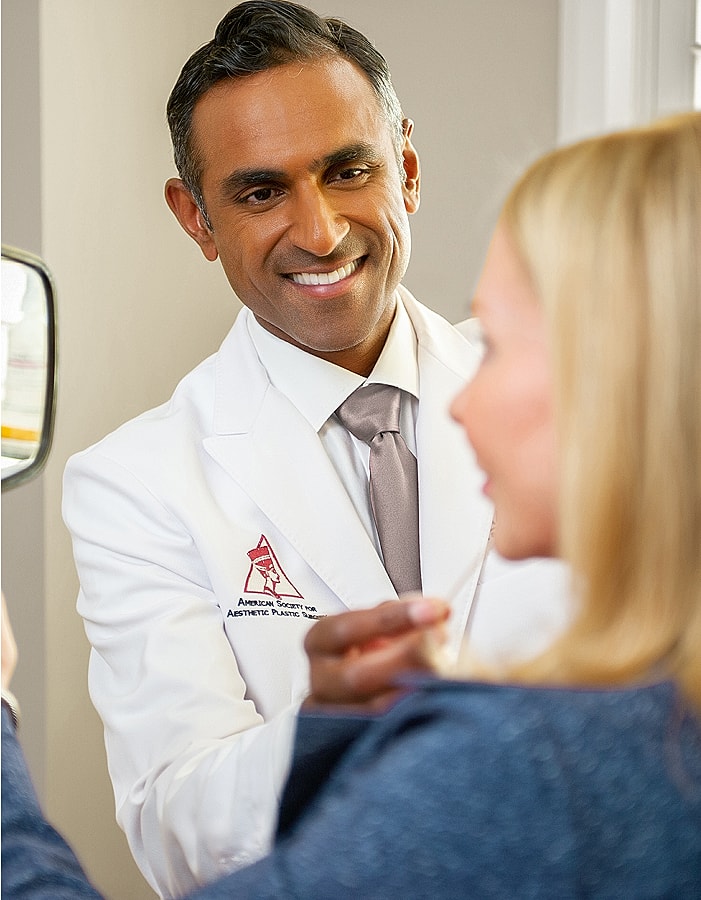
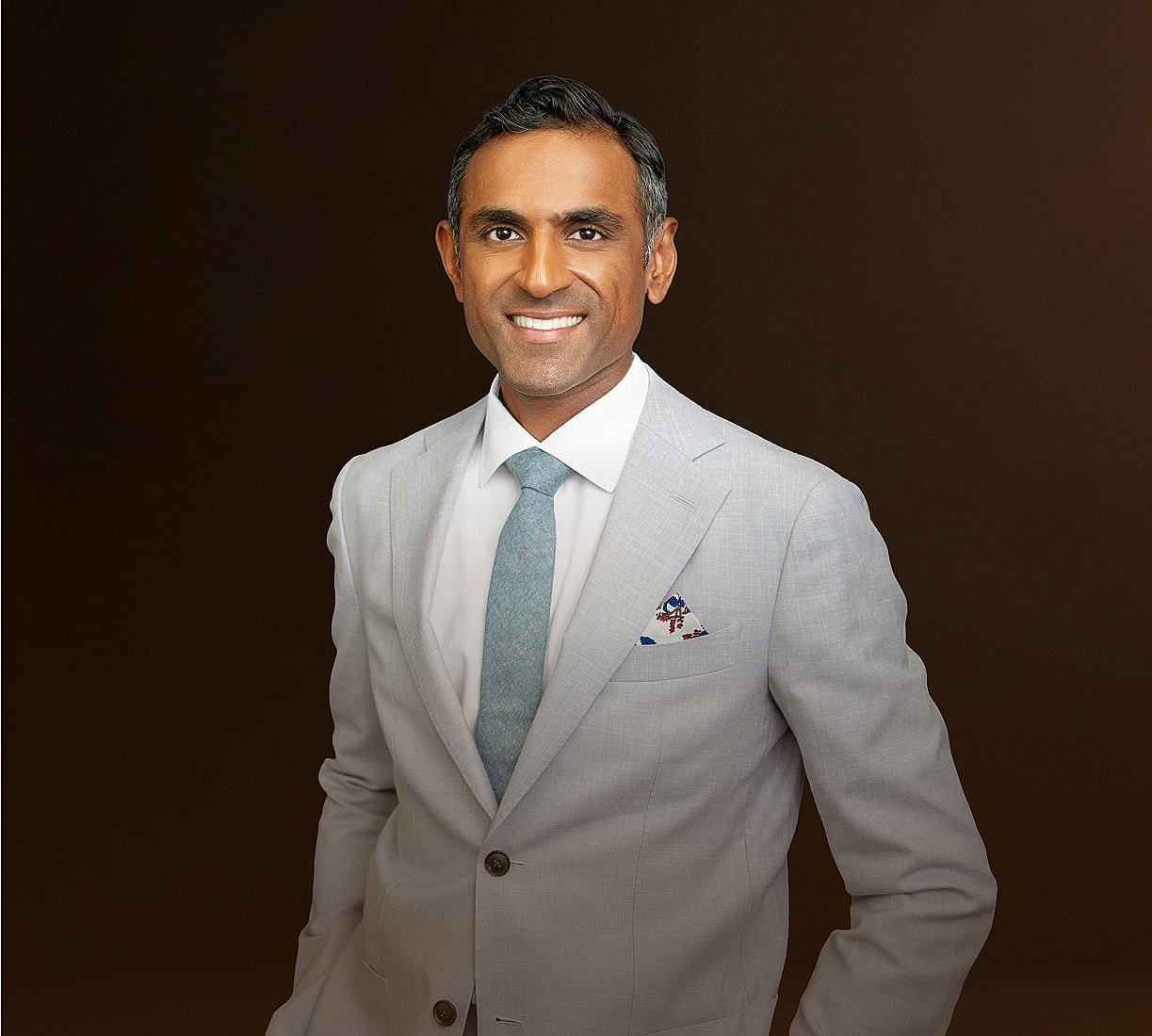
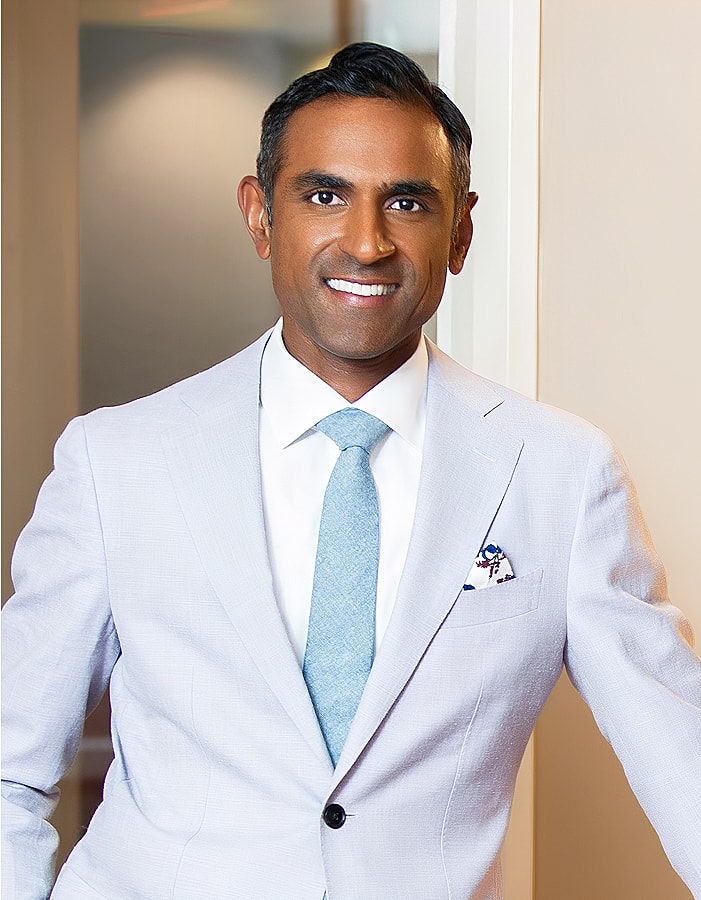
During your consultation, we review your bone structure to determine if you have true excess fat or if your concerns are related to muscle mass. Before proceeding, it is vital to verify that your facial appearance will benefit from this reduction. Dr. Narasimhan’s double-board certification ensures that he respects the complex blood supply and nerve endings surrounding the mouth and cheeks, ensuring a safe and predictable outcome.
Dr. Narasimhan’s passion for plastic surgery is evident in his impressive credentials, which include:
American Board of Plastic Surgery and American Board of Otolaryngology (Head & Neck Surgery)
Guest faculty at internationally renowned cosmetic surgery meetings, such as the Dallas Cosmetic Symposium
Choosing to address the buccal fat pads offers structural changes that go beyond what topicals or non-invasive treatments can achieve. While other facial surgeries might focus on the skin's surface, this procedure targets the deep architecture of the face to enhance your natural bone structure. Key Benefits Include:
Not everyone is a candidate for cheek reduction surgery. As a surgeon focused on longevity, I perform a rigorous review of your facial volume to ensure we don't remove fat that you will need later in life to maintain a human, healthy glow.
Ideal candidates typically meet the following criteria:
Who is NOT a candidate? If you have a naturally thin face or are older with significant skin laxity, removing buccal fat could lead to a "haggard" or "sunken" look. In these cases, I may suggest combining other treatments or other facial surgeries to sculpt the face without sacrificing essential fat.

Choosing buccal fat removal in Tampa & St. Petersburg at our practice means choosing a refined clinical experience. We understand that the decision to undergo surgery is a significant one, which is why we prioritize your comfort and security at every step.
The procedure is frequently performed under local anesthesia with light sedation, though general anesthesia is an option for those combining this with other facial surgeries.
Dr. Narasimhan makes a small incision inside the mouth, near the upper molars. Because the incision is internal, there is no visible scarring on the face. He then gently teases the fat out, removes the necessary amount to enhance your jawline, and closes the site with sutures that dissolve on their own.
The recovery process for cheek reduction surgery is relatively straightforward, but it does require patience. While the surgery itself is quick, the tissues need time to respond to the change.
Immediately after the procedure, you will experience swelling. To the human eye, it may look like you’ve had a dental review or wisdom tooth extraction. During this time, a liquid diet is mandatory to prevent food particles from irritating the internal sutures. You will eat only soft foods like yogurt or protein shakes until the initial healing is complete.
Most swelling subsides within the first two weeks, allowing you to return to normal activities. However, it takes about three weeks for the tissue to begin to fill into the new facial contours. You will start to see a more sculpted look as the inflammation goes down. The final results, those high cheekbones and that chiseled jawline, typically reveal themselves fully after the three-month mark.
In our practice, verification of patient safety is our highest priority. Before completing any surgical plan, we review your medical history and any medications you are currently taking. This connection between surgeon and patient ensures that your recovery is as smooth as possible. We utilize a secure Ray ID system for patient records to maintain the highest levels of privacy and data security.
For many in the Tampa Bay region, buccal fat removal is just one part of a comprehensive "Skin Fitness" plan. Because this surgery narrows the lower face, it can sometimes make the mid-face look under-defined. We often discuss combining this with:
Dr. Narasimhan’s philosophy is rooted in balance. While some clinics might offer "aggressive" removals that look cute in your 20s but "haggard" in your 40s, we focus on a conservative approach that preserves your natural volume for the future.
Whether you are from St. Petersburg or traveling from across the Tampa Bay area, you can expect a boutique-luxe experience that blends surgical expertise with a modern aesthetic eye.
A common question during a consultation is, "What is the buccal fat removal cost?" In the Tampa Bay area, pricing varies based on the complexity of your anatomy and whether you are combining the surgery with other facial surgeries.
At Narasimhan Plastic Surgery, our pricing reflects the verification of safety and the specialized expertise of a double board-certified facial plastic surgeon. Factors that influence the final cost include:
We believe in transparency. During your visit, we will provide a detailed quote and discuss financing options like Cherry or CareCredit, allowing you to schedule your transformation with confidence.

Ready to sculpt your profile and say goodbye to chipmunk cheeks? Schedule your appointment today at our Tampa or St. Petersburg office. Our team is ready to help you discuss your goals and proceed with a plan that is uniquely yours.
Most patients describe the pain as a dull ache rather than sharp distress. Over-the-counter medications are usually sufficient to manage any discomfort during the first few days.
No. To protect the internal incision, you must avoid chewing hard or crunchy foods for at least 48-72 hours. Transitioning from a liquid diet to soft foods is the standard protocol.
Not directly. Buccal fat is located higher than jowl fat. If sagging skin is your primary concern, Dr. Narasimhan may suggest a lift or skin tightening in addition to the fat reduction.
The best way to determine this is through a professional consultation. We will examine your face while you are "sucking in" your cheeks to see how the underlying bone structure relates to the fat pads.
Learn More
Learn More
Learn More
Learn More
Learn More
Learn More
Learn More
Learn More
Learn More
Learn More
Learn More
Learn More
Learn More
Learn More
Learn More