Eyelid Surgery in Tampa & St. Petersburg
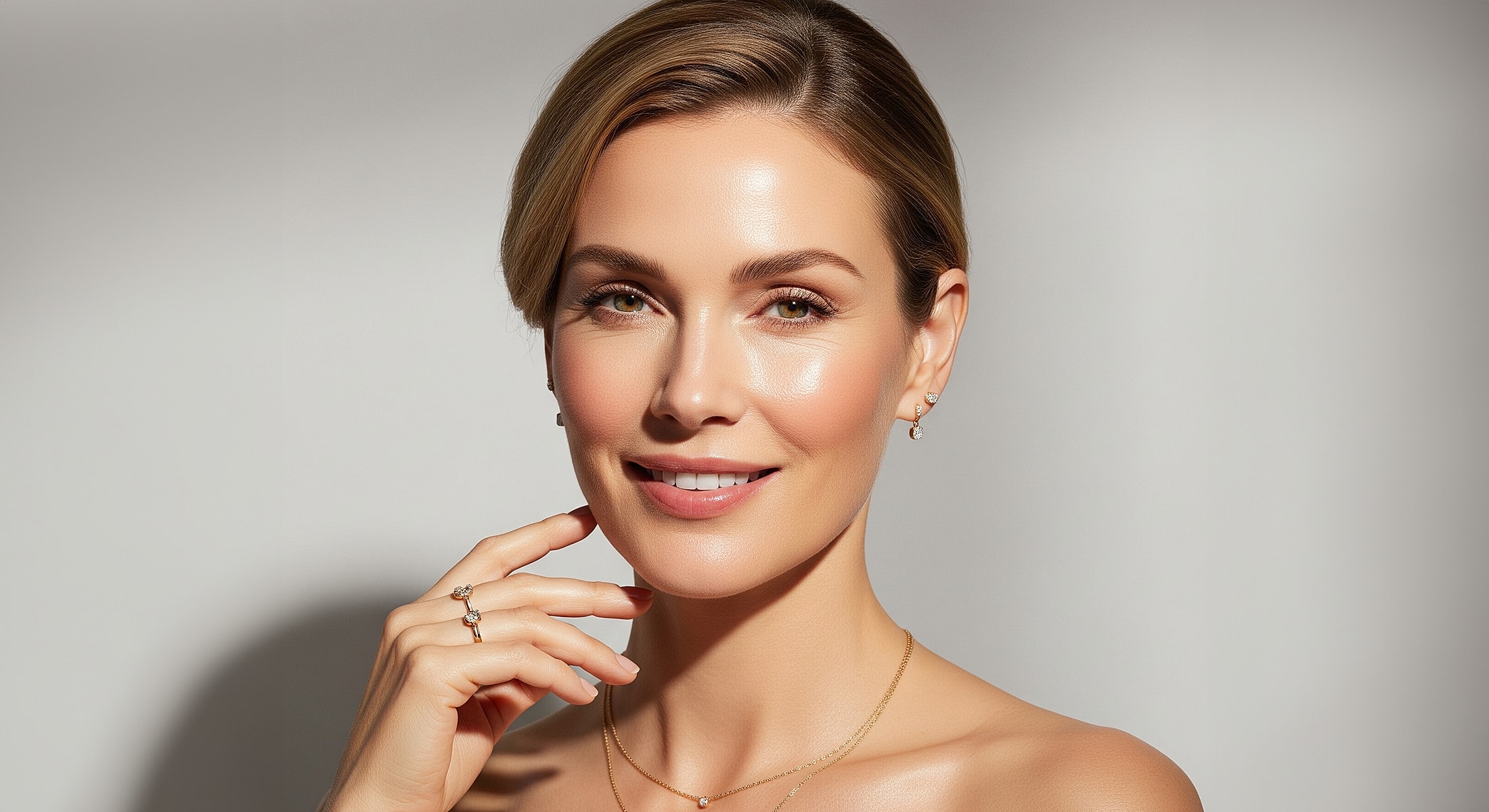


Dr. Narasimhan combines surgical precision with artistic care, delivering natural and refined eyelid surgery that enhances vision and complements your facial features. Blepharoplasty offers a bright, refreshed, and rejuvenated appearance by refining eyelid contours to address heavy or drooping eyelids. Embrace a fresh sense of confidence in St. Petersburg with a meticulously tailored blepharoplasty procedure.
1 of 10
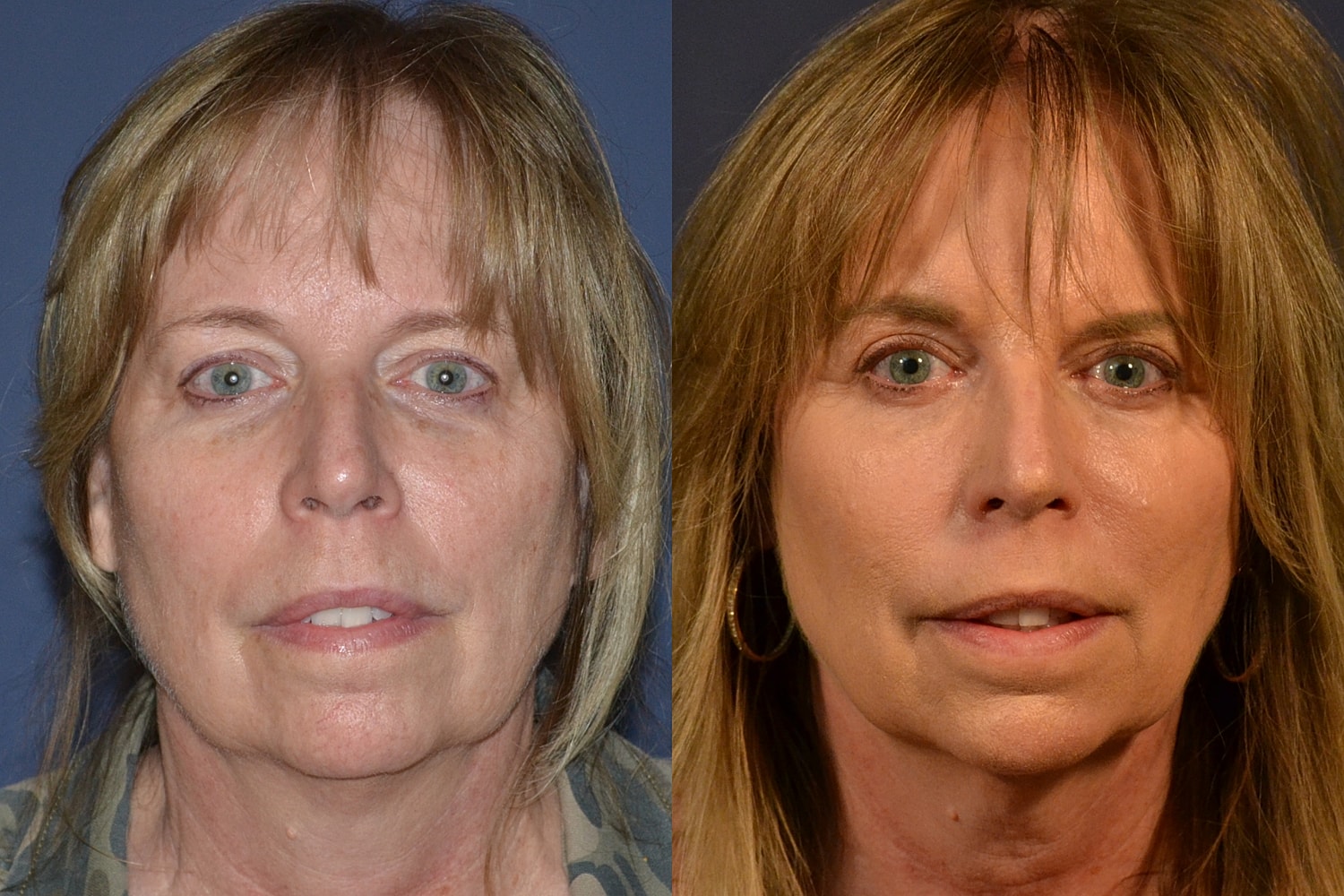
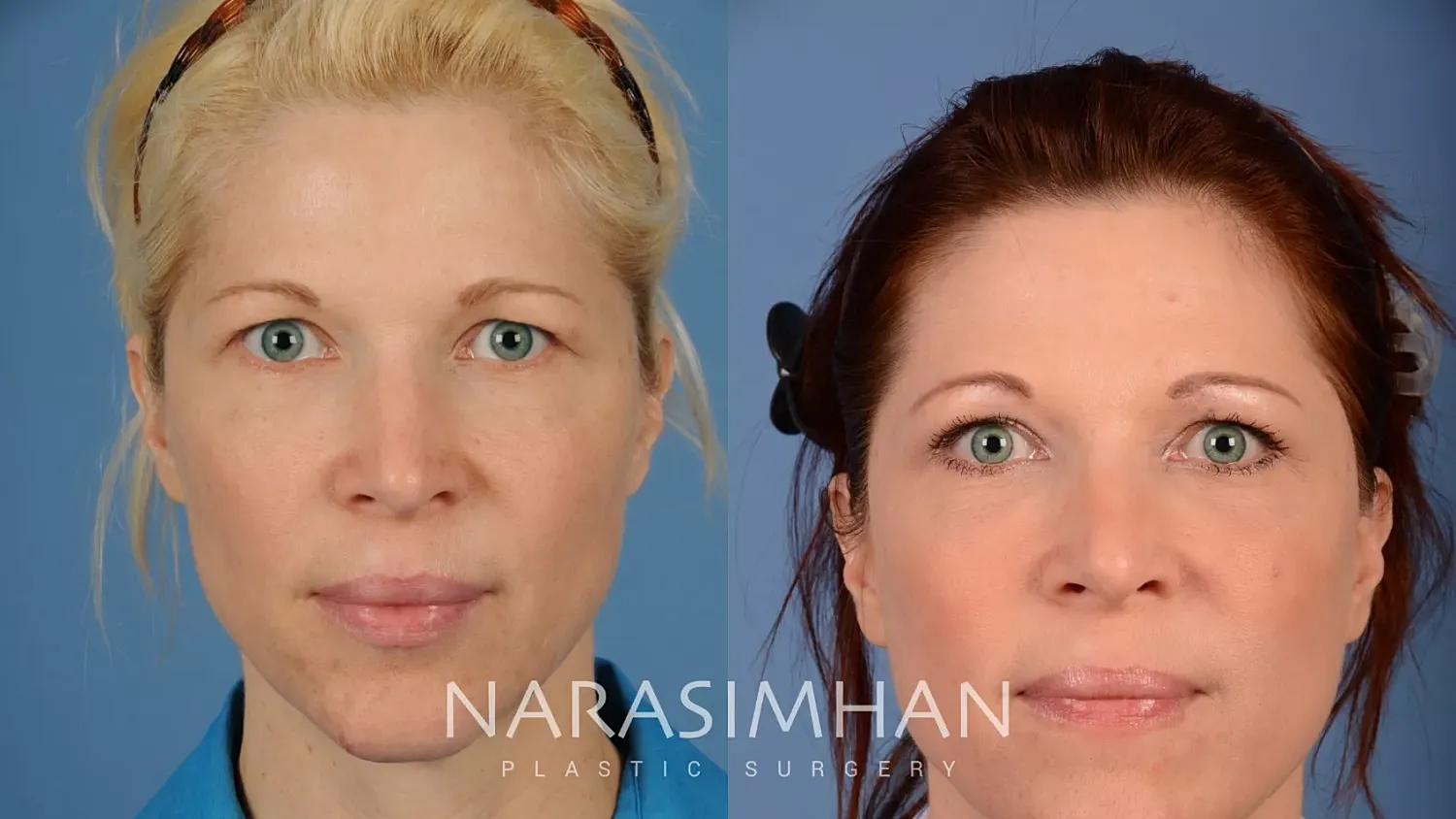
Young healthy female in her 50s who desired improvement in the appearance of her heavy eyelids and an overall refreshed appearance. Before and after photos are shown after upper eyelid blepharoplasty with internal browlift. Her eyes are now more open and still look very natural. If you desire eyelid lift or blepharoplasty then contact Narasimhan Plastic Surgery today
Procedures Performed
Provider: Kailash Narasimhan, M.D.
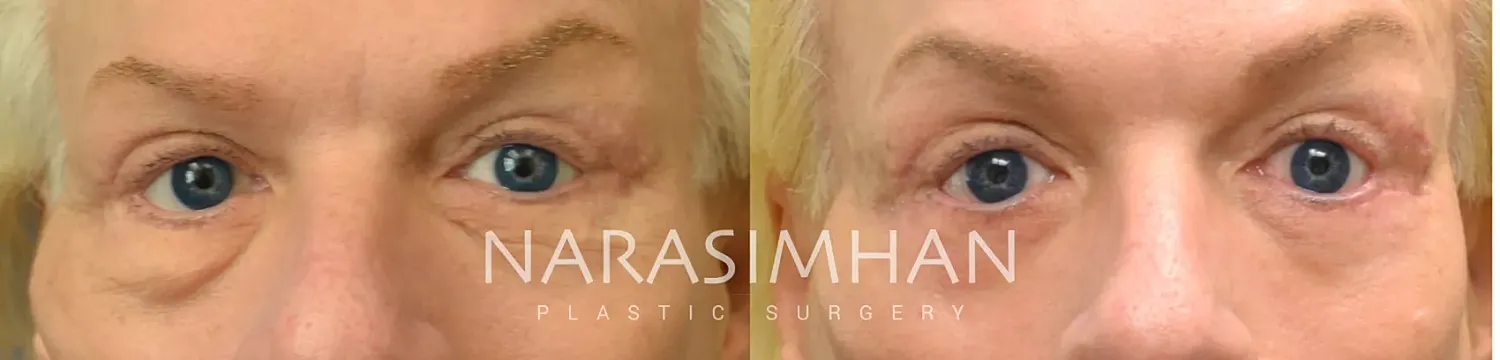
54 yo man with droopy eyelids and excess eyelid skin. He was not happy with how his eyes looked heavy and tired all of the time. He underwent a upper eyelid blepharoplasty. Before and after pictures shown 2 months post surgery. He is very happy with his results. If you are in the Tampa Bay area and desire eyelid surgery contact Narasimhan Plastic Surgery.
Provider: Kailash Narasimhan, M.D.
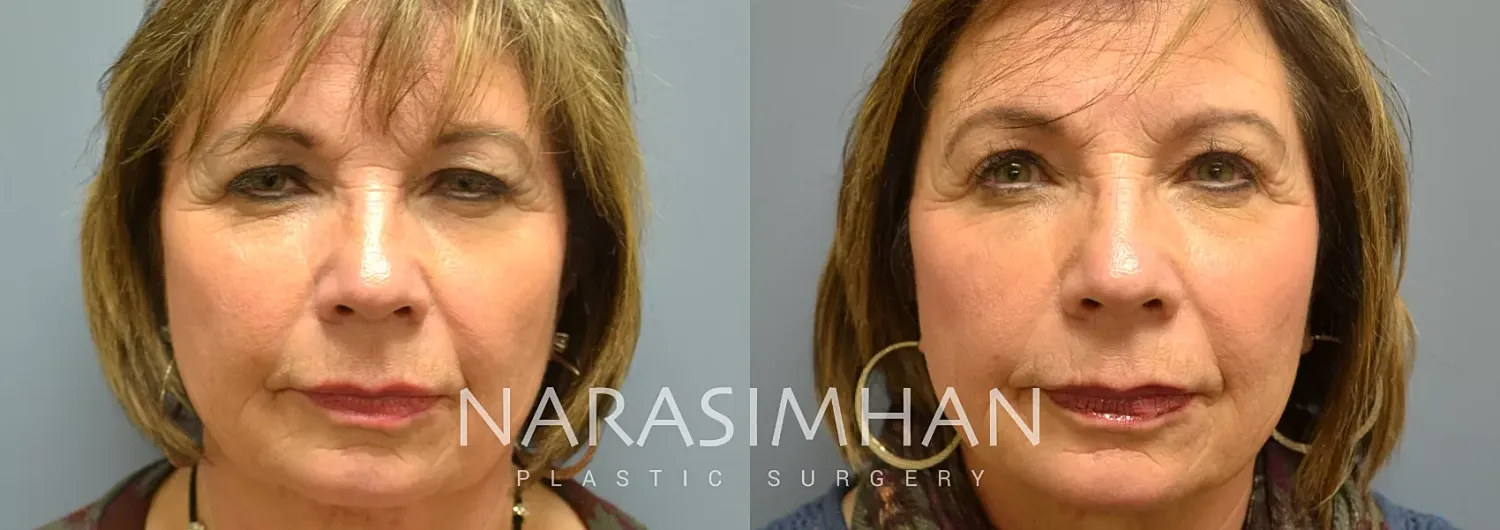
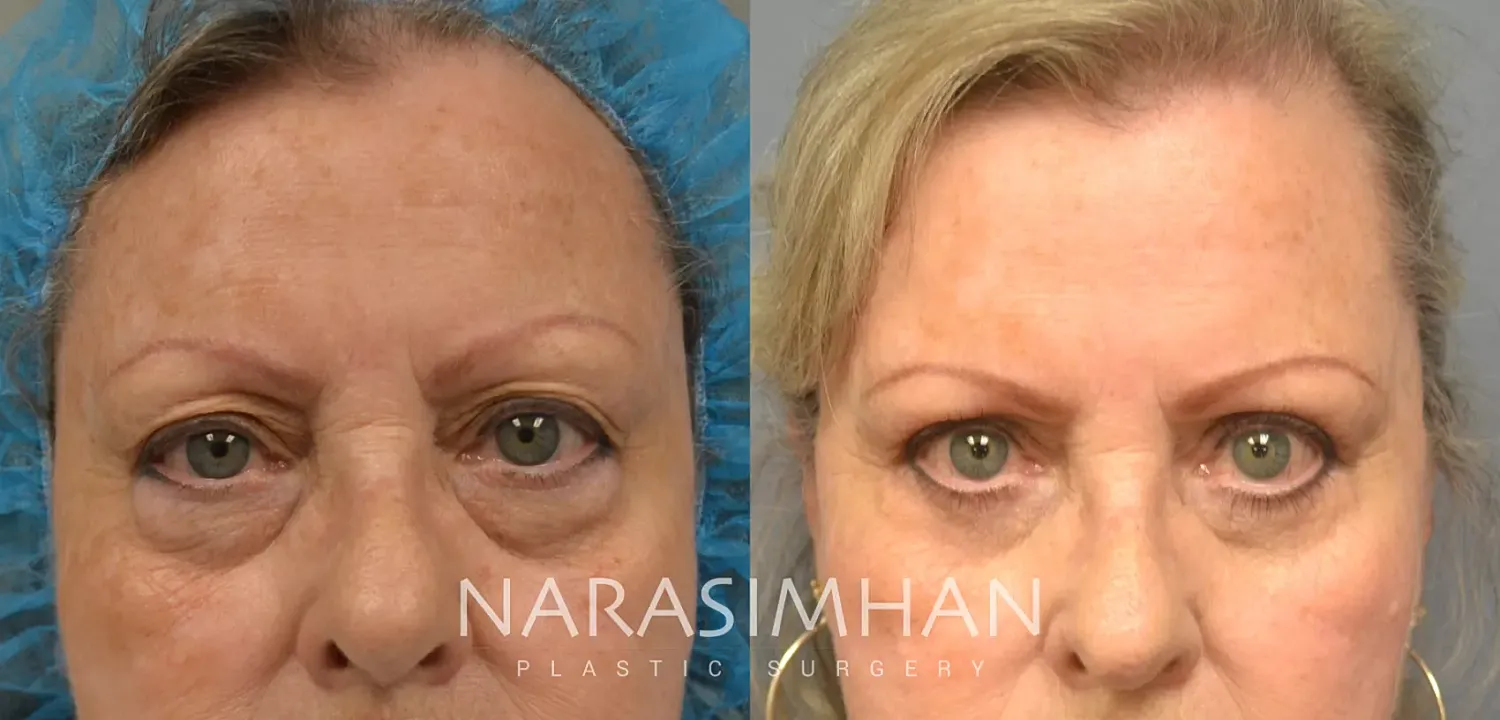
64 yo woman with droopy eyelids and excess eyelid skin. She did not like that her eyes looked tired constantly. She who underwent ptosis repair and upper lid blepharoplasty. Before and after pictures shown after 8 months. If you are in the Tampa Bay area and desire eyelid surgery contact Narasimhan Plastic Surgery.
Provider: Kailash Narasimhan, M.D.
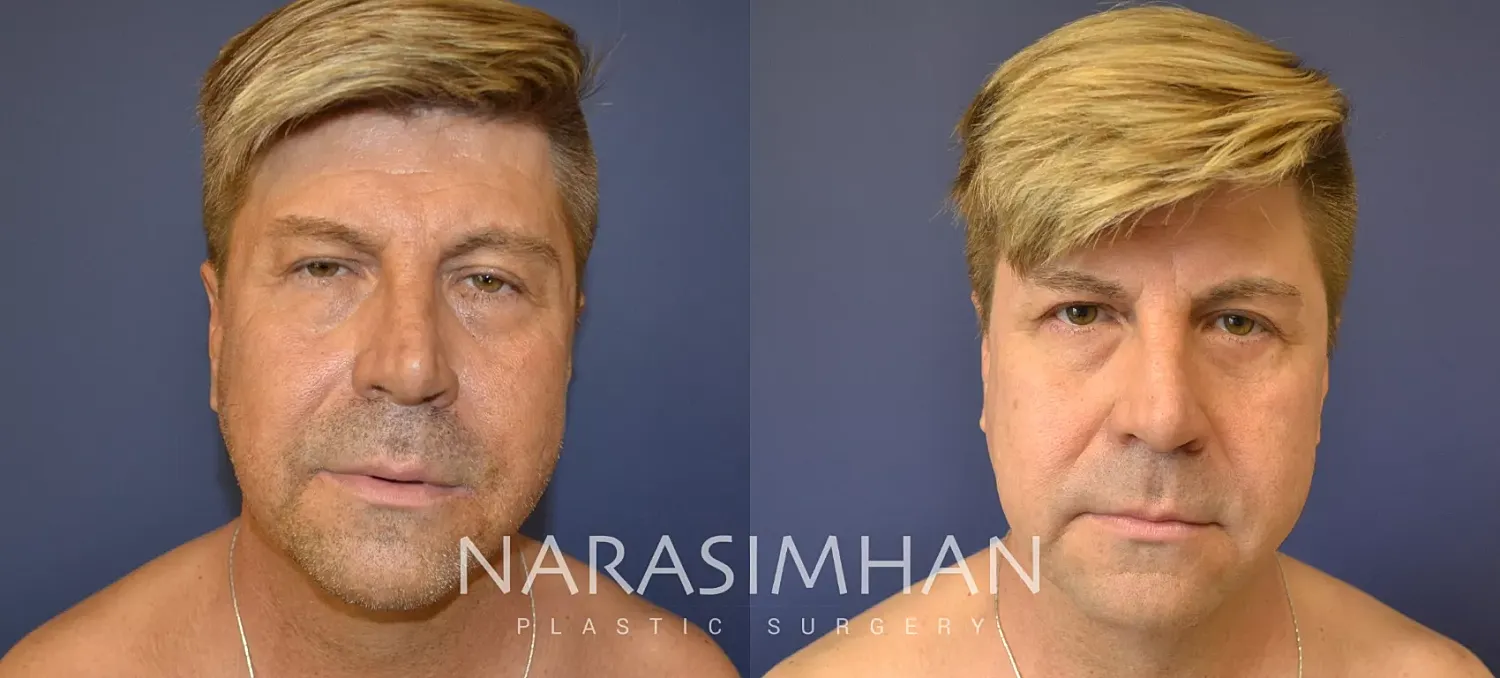
53 yo male desired facial rejuvenation with a natural, more refreshed look. He underwent upper and lower eyelid blepharoplasty, and limited necklift including neck liposuction and contouring. Dr. Narasimhan also tightened his neck bands and removed fat under the chin. Before and after photos are shown demonstrated improvement in contour and shape of the jawline and neck. If you desire eyelid surgery, neck contouring , or liposuction in the Tampa Bay, Saint Petersburg, or Clearwater areas, contact Narasimhan Plastic Surgery
Provider: Kailash Narasimhan, M.D.
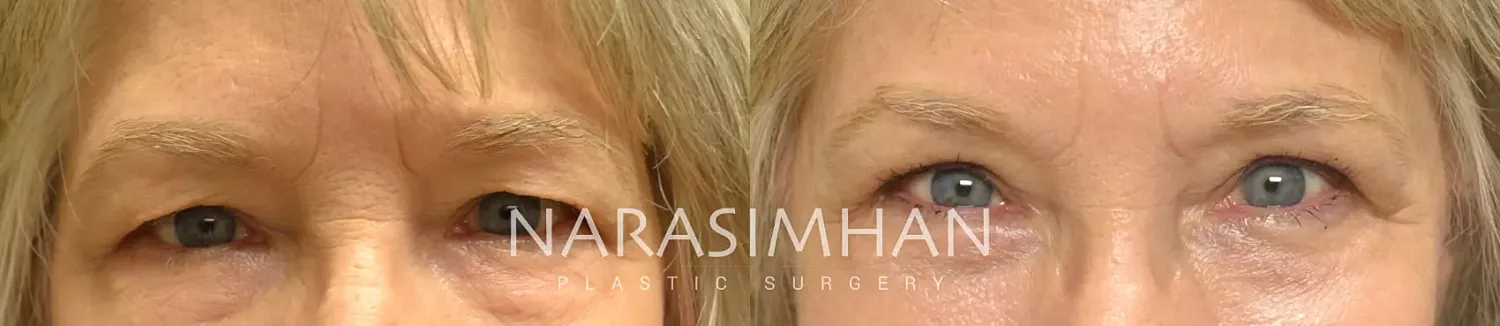
Male in his late 60s, who desired improvement in his appearance as well as improvement of his peripheral vision. Upper eyelid blepharoplasty procedure was performed to address these issues. If you are in the Tampa Bay or Florida area and desire upper eyelid surgery please contact our office at Narasimhan Plastic Surgery today for a consultation.
Provider: Kailash Narasimhan, M.D.
This patient is a healthy female in her 60s, who desired eyelid surgery to improve the fullness in her upper and lower eyes. Before and after photos show her improvement after upper and lower lid blepharoplasty as well as chemical peel. She looks and feels much more refreshed and rejuvenated. The puffiness in her lower eyes is improved and she appears less tired. If you are in the Tampa Bay area and desire eyelid surgery to look younger and more refreshed, please contact Narasimhan Plastic Surgery
Provider: Kailash Narasimhan, M.D.
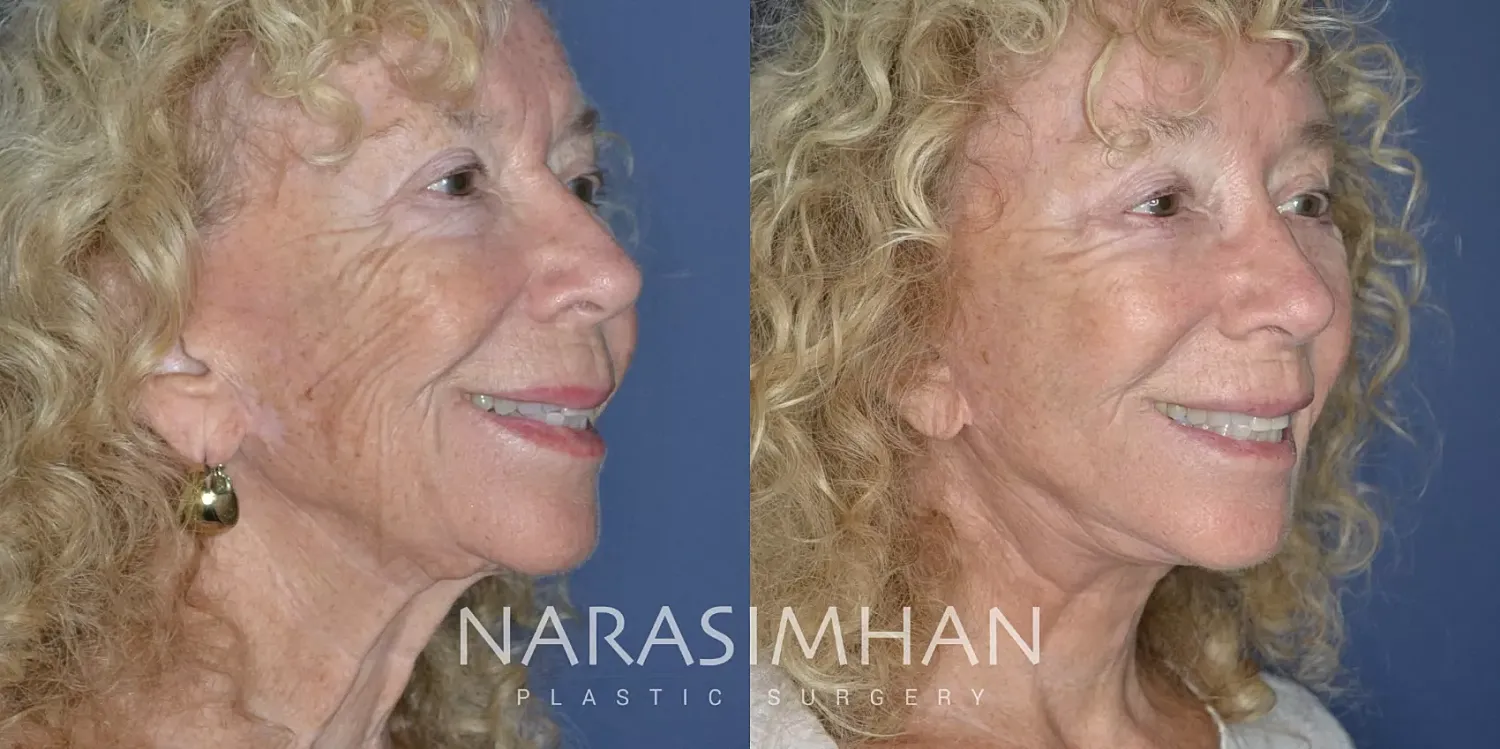
This is a 75-year-old-female who presented with came to us with skin laxity in her face, neck and eyes. We performed a face and necklift, brow lift and blepharoplasty. If you have interest in learning more about facial cosmetic surgery please call Narasimhan Plastic Surgery today!
#Facelift #Necklift #St.Petersburg #Tampa #facialsurgery #cosmeticsurgery #plasticsurgery #doubleboardcertified #happypatient #skin #medspa #NoseByNarasimhan #Clearwater #Feathersound #experiencedsurgeons
62 yo woman with droopy eyelids and excess eyelid skin. She did not like that her eyes looked tired constantly. She who underwent ptosis repair and upper lid blepharoplasty. Before and after pictures shown after 8 months. She is very happy with her results. If you are in the Tampa Bay area and desire eyelid surgery contact Narasimhan Plastic Surgery.
Provider: Kailash Narasimhan, M.D.
46 year old female who underwent upper and lower eyelid blepharoplasty and browlift. Her goal was a more youthful appearance. Before and after photos are shown. If you would like to find out more about eyelid and browlift surgery in St. Petersburg, contact Narasimhan Plastic Surgery today.
Provider: Kailash Narasimhan, M.D.
Young healthy female in her 30s who desired improvement in the appearance of her heavy eyelids and an overall refreshed appearance. Before and after photos are shown after upper eyelid blepharoplasty with internal browlift. Her eyes are now more open and still look very natural. If you desire eyelid lift or blepharoplasty then contact Narasimhan Plastic Surgery today
Provider: Kailash Narasimhan, M.D.
Blepharoplasty—also known as eyelid surgery—is a cosmetic and reconstructive procedure that removes sagging upper eyelid skin or fat pads beneath the lower lids.
It restores vision obstructed by drooping eyelids, reduces under-eye puffiness and dark circles, and enhances the natural contour of the upper and lower eyelids.
You can choose upper eyelid blepharoplasty, lower eyelid blepharoplasty, or a combined procedure, customized to your specific needs and facial shape.
On surgery day at our accredited surgical center, anesthesia is administered (local with sedation or general).
For the upper eyelid, Dr. Narasimhan makes incisions along natural skin creases to remove excess skin and fat. For the lower eyelid, he removes or repositions orbital fat and may gently tighten connective tissue. Incision lines are then closed with fine sutures. Cold compresses are applied to reduce swelling. The whole process takes about 1–2 hours.

Cosmetic blepharoplasty is appropriate for healthy adults of all ages from the Tampa area and other nearby communities who have realistic expectations about how the procedure can improve their appearance. This procedure focuses on the area immediately around the eyes, and may be a good choice if you have:
Good overall health matters. Candidates should not have medical issues that could raise the risk of complications or interfere with healing. Conditions such as glaucoma, dry eye, thyroid disorders, heart disease, high blood pressure, and diabetes may affect candidacy and should be reviewed during consultation.
Smoking and nicotine use also matter. Nicotine can affect blood flow, slow healing, and raise the risk of complications. Patients should stop smoking and avoid all nicotine products for at least six weeks before and after surgery.
In some cases, a brow lift or forehead lift may be the better option. When the brows sit too low, lifting the eyelids alone may not fully correct the problem and can create an unnatural or overly surprised look. Dr. Narasimhan will determine the best approach during consultation.
Your consultation is where Dr. Narasimhan determines whether eyelid surgery is the right fit and what approach will look most natural on your face. He will review your goals, explain how surgery is performed, and go over the recovery process, along with the risks and limitations of the procedure. He will also take a detailed medical history, including any heart disease, diabetes, high blood pressure, thyroid problems, clotting concerns, scarring tendency, smoking history, and eye conditions that could affect surgery or healing.
He will then examine your eyelid structure, skin, and overall facial anatomy to decide whether blepharoplasty alone makes sense or whether a brow lift may be the better option. Photographs are taken for surgical planning and comparison during recovery, and eye-health evaluation may be coordinated with an ophthalmologist when needed. The goal of the consultation is simple: to make sure the plan fits your anatomy, your concerns, and the kind of result that will look refreshed and natural.
A smooth recovery starts before surgery day. Once your procedure is scheduled, Dr. Narasimhan will give you specific instructions based on your treatment plan, health history, and whether you are having upper eyelid surgery, lower eyelid surgery, or both.
A few simple steps can help you get ready:
On the day of surgery, Dr. Narasimhan will review the plan with you again and answer any last-minute questions. Incisions are typically placed in the natural creases of the eyelids to keep them as discreet as possible, and the exact technique depends on whether excess skin, fat, or puffiness is being addressed.
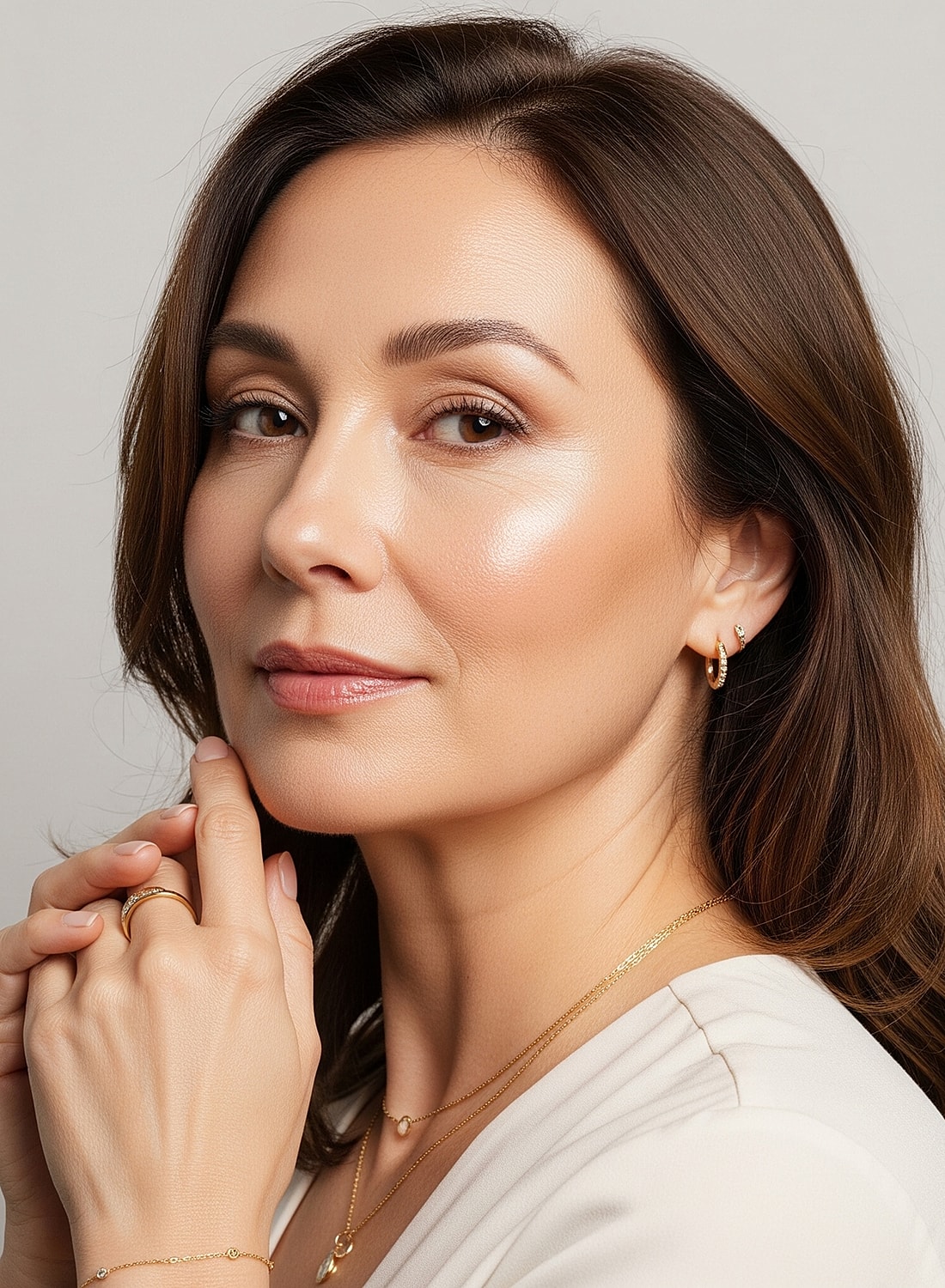
Recovery from eyelid surgery is minimal; in fact, you’ll likely return to your job and daily activities in less than 10 days.
This recovery period will vary; however, if you combine eyelid surgery with other facial sculpting procedures, such as a brow lift or a facelift and neck lift, the recovery time may be longer. Bruising around the eyes should fade after about 2 weeks to a month, and in the interim, many women find that they can adequately conceal any discoloration with light makeup. You should avoid vigorous exercise for about 3 weeks after surgery.
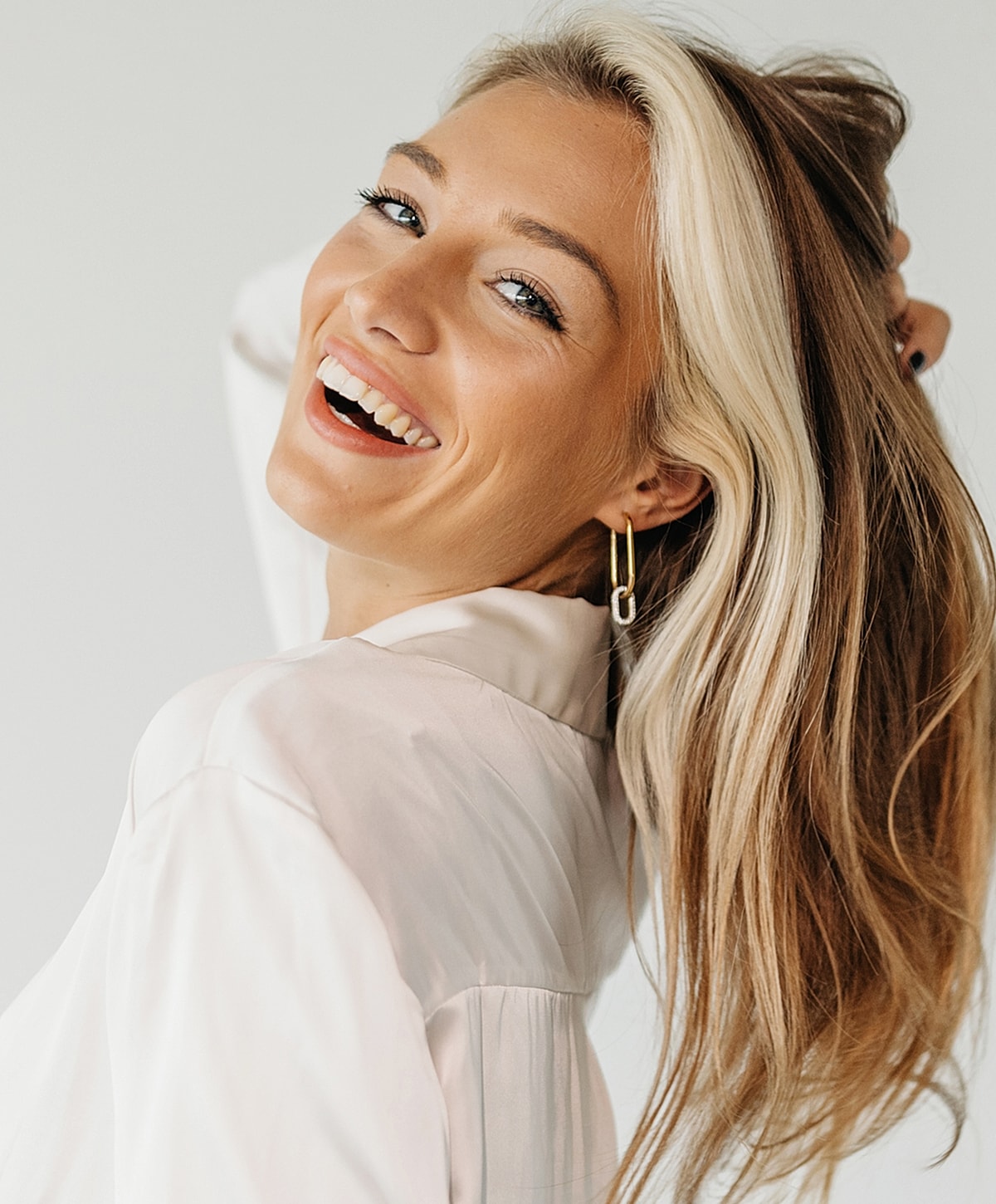
Days 1–3: Swelling, mild bruising, and tightness are common. Gentle cold compresses are recommended for 15 to 20 minutes at a time, and your head should stay elevated as much as possible.
Days 4–10: Swelling and bruising begin to improve. Sutures are usually removed during this window, and many patients return to light daily activities. Avoid heavy lifting, bending, and strenuous activity.
Weeks 2–4: Most patients feel more comfortable going back to work, social plans, and moderate activity. Continue protecting the area from sun exposure, and avoid eye makeup and skincare around the eyes until cleared to resume. Contact lens wear may also resume during this stage, depending on healing.
Months 1–3: Incisions continue to soften, fine lines settle, and scars keep fading. Residual swelling continues to improve. Use prescribed eye drops or ointment as needed, and follow all aftercare instructions during this phase.
Expect minimal pain, with healing that focuses on soft tissue recovery.
A smooth recovery depends on good aftercare. Dr. Narasimhan will give you specific instructions based on your procedure, but most patients are advised to:
Blepharoplasty results develop in stages. Once the early swelling starts to improve, the eyes usually look more open, the upper lids look smoother, and puffiness under the eyes looks reduced. The overall effect is a fresher, more rested appearance that still looks natural on your face. While early improvement shows up fairly quickly, final refinement takes more time as the tissues settle and incisions continue to soften.
Patients can usually expect:
The cost of eyelid surgery depends on the work involved. That includes whether you are treating the upper eyelids, lower eyelids, or both, along with the complexity of the correction and whether the procedure is being combined with another facial surgery. In general, the physician’s fees for a single set of eyelids range from $2,500 to $4,000. For both upper and lower eyelids, the range is from $4,500 to $5,500.
A consultation is the best way to get an accurate number. Dr. Narasimhan will examine the area, review your goals, and determine the right surgical plan before giving you a clear quote.
Insurance Coverage for Eyelid Surgery
Insurance does not usually cover cosmetic eyelid surgery. In some cases, upper eyelid surgery may qualify when excess skin interferes with vision, and the procedure is considered medically necessary. That usually requires documentation, prior authorization, and forms completed before surgery.
If you think your eyelid surgery may have a functional component, that can be reviewed during consultation. Most insurance companies require medical documentation showing that excess skin or fat is affecting vision, and they generally do not approve coverage after surgery has already been performed.

Dr. Narasimhan is a double board‑certified facial plastic surgeon with specialized expertise in eyelid anatomy. His precision ensures natural-looking, balanced outcomes with minimal risk of complications such as dry eye or lid asymmetry. Our practice delivers clear communication, thorough pre-op planning, and supportive post-op care to ensure your comfort and satisfaction throughout the journey.
For a more complete facial rejuvenation, Dr. Narasimhan can combine eyelid surgery with a brow lift or facelift. Sometimes, a brow lift alone achieves the improvements you're looking for by raising sagging eyebrows. Some patients may even combine eyelid surgery with rhinoplasty to create more balanced facial proportions. Dr. Narasimhan will help make this decision easier by providing you with a detailed physical examination and then discussing your facial sculpting options with you. You may also benefit from facial rejuvenation services at our on‐site Medical Day Spa.
Dr. Narasimhan’s passion for plastic surgery is evident in his impressive credentials, which include:
American Board of Plastic Surgery and American Board of Otolaryngology (Head & Neck Surgery)
Guest faculty at internationally renowned cosmetic surgery meetings, such as the Dallas Cosmetic Symposium
Dr. Narasimhan can restore a more rested, youthful appearance to your eye area through eyelid surgery. To learn more, request a consultation or call the office of Narasimhan Plastic Surgery at (727) 289-7119.
Yes—upper eyelid surgery often clears obstructed vision caused by hooded lids, enhancing peripheral sight.
Incisions are placed within natural eyelid creases (upper) or just below the lash line (lower). Scars are well-hidden and fade over time.
You’ll look presentable in 7–10 days; full recovery—including resolution of swelling and fine healing—can take 4 weeks or longer.
Yes—combining a brow lift with blepharoplasty offers a more comprehensive facial refresh for severe sagging eyebrows.
Lower blepharoplasty is optional and typically performed if under-eye fat pads or sagging skin are present. Not everyone requires both upper and lower procedures.
Most patients enjoy the youthful, refreshed look from eyelid surgery for several years. Keep in mind that cosmetic surgery will not stop the aging process. Additionally, you can retain your improvements longer by continuing a healthy diet and lifestyle, avoiding smoking, and protecting yourself from sun exposure with proper protection and sunscreen.
During your consultation for eyelid surgery Tampa plastic surgeon, Dr. Narasimhan, will listen to your concerns and assess the area around your eyelids to help you determine your personalized treatment plan, which could include upper, lower, or combination blepharoplasty, as well as other procedures, such as a brow lift.